Can I Use Hong Kong Dollars In Macau?
Where Hong Kong dollars are accepted in Macau, what the pataca peg means for your wallet, and how the 3 percent gap quietly costs you on taxis, dinner and show tickets.
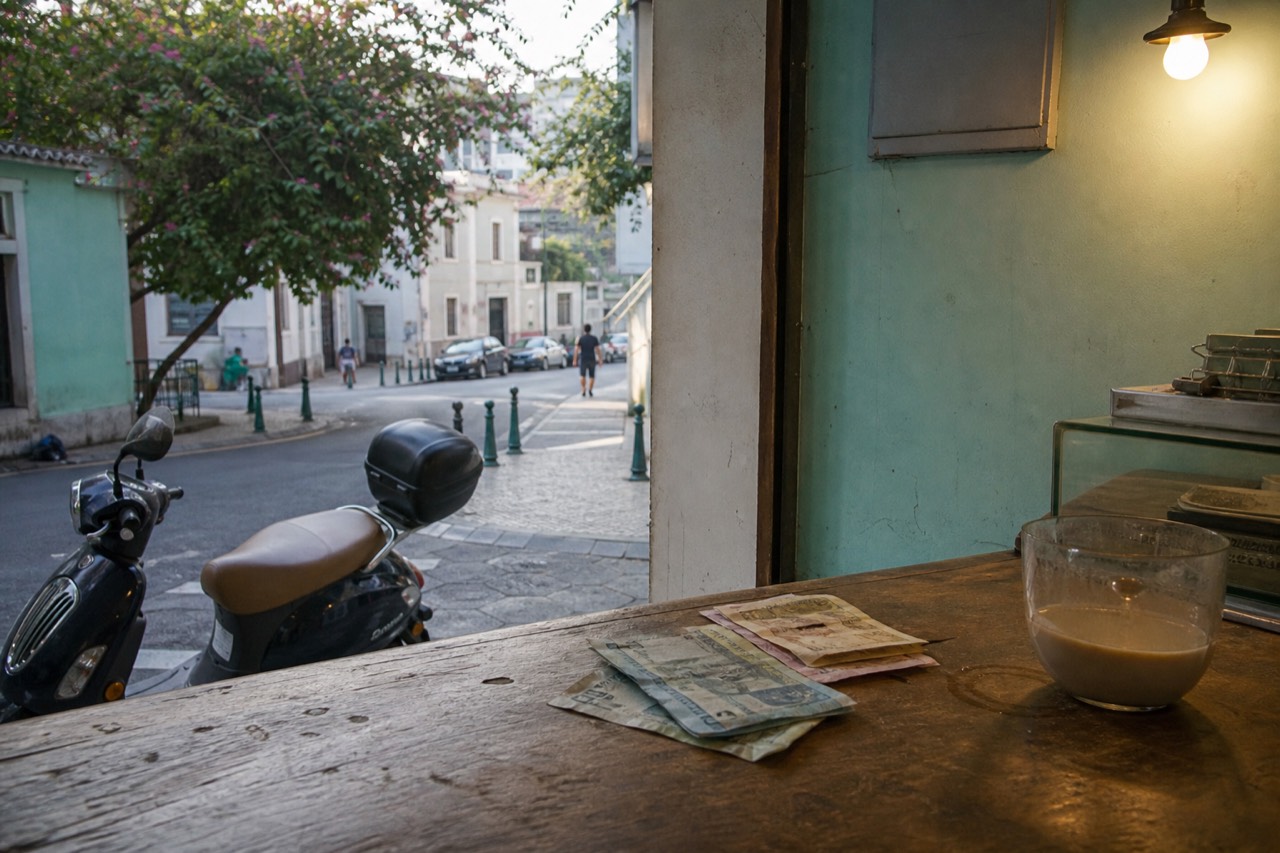
Most visitors cross from Hong Kong with a wallet full of Hong Kong dollars and never think about it again until a taxi driver hands back change in notes they do not recognise. That moment is where the money question actually lives. Hong Kong dollars do circulate widely in Macau, but they circulate on terms most visitors never notice, and the terms cost you a little every single time.
The short answer is yes, with a catch. Macau's own currency is the Macanese pataca, and it is the only legal tender in the territory. In practice, shops, restaurants and casinos in the tourist zones accept Hong Kong dollars routinely, usually at or near par. Your change comes back in patacas, and the two currencies are not actually equal, so every at-par transaction quietly keeps a small slice of your money. Understanding the peg, the 3 percent gap and where each currency works is the difference between an efficient trip and a slow bleed of small losses.
This matters more than usual on a show night. If you are planning an evening around House of Dancing Water Tickets, the pricing, the taxi, the dinner and the souvenir stall all interact with this two-currency system in slightly different ways, and a little preparation saves both money and queue time at the theatre door.
Can I Use Hong Kong Dollars In Macau?
Yes, Hong Kong dollars are widely accepted in Macau in practice, at or near par, but the pataca is the only legal currency and your change will almost always come back in patacas. Because one Hong Kong dollar officially equals 1.03 patacas, a shop that takes your HKD at par keeps roughly 3 percent of the value. Small purchases barely register; a hotel bill or a show night adds up.
The pataca is anchored to the Hong Kong dollar by a currency board arrangement, not by mood. The Monetary Authority of Macao maintains a fixed link of HKD 1 to MOP 1.03, with 100 percent foreign exchange reserve backing and guaranteed convertibility into Hong Kong dollars, as documented on the authority's own history of the pataca. Because the Hong Kong dollar is itself linked to the US dollar, the pataca sits indirectly around USD 1 to MOP 8. This structure has not changed in years, and it is the reason the two currencies move together: there is no floating exchange rate to surprise you, only the fixed 3 percent spread.
What that means at the till is simple. Hand over a HK$100 note for a MOP 100 purchase and the shop has, in strict currency terms, received about 3 percent more value than it handed over in goods. Most shops do not bother with the conversion and simply treat the two as equal, which is where the loss sits. On a MOP 30 noodle bowl you lose roughly one pataca, which nobody notices. On a MOP 1,598 Golden Circle show ticket paid in cash at par, the gap is closer to MOP 48, which is a real drink and a half. The practical advice is not to avoid Hong Kong dollars entirely, it is to spend them on small things and keep patacas, or a card, for the big ones.
One asymmetry worth knowing before you cross: the arrangement does not run backwards. Patacas are generally not accepted in Hong Kong, so do not finish your trip with a pile of them and expect to spend them at home. Spend them down in Macau, or exchange the remainder before you leave, because a Hong Kong cashier will look at a pataca note the way a New York cashier looks at a Canadian quarter.
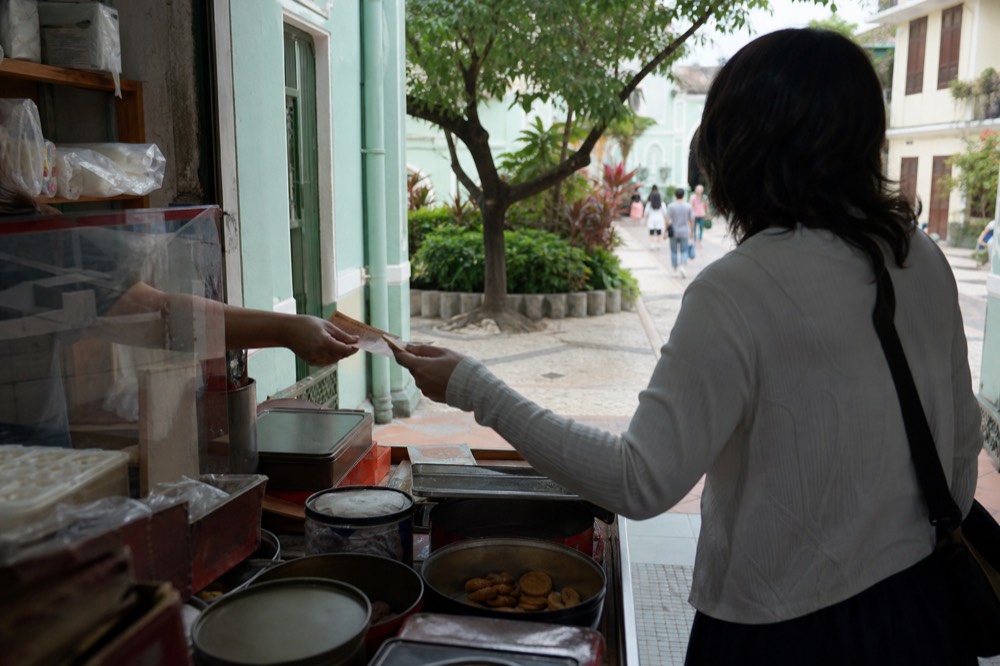
The pattern is consistent across the tourist economy: acceptance is near-universal where visitors spend, and change is always patacas. Casino floors are a special case, they operate on their own rules and handle both currencies fluidly, but for shops, taxis, restaurants and ticket desks the at-par convention is the norm. It is common practice rather than official policy; no government statement mandates it, and a merchant could in principle apply the correct 1.03 rate. In day-to-day experience almost none do, because the arithmetic of converting every small sale is not worth a shop assistant's time.
Where Do You Quietly Lose Money With Hong Kong Dollars In Macau?
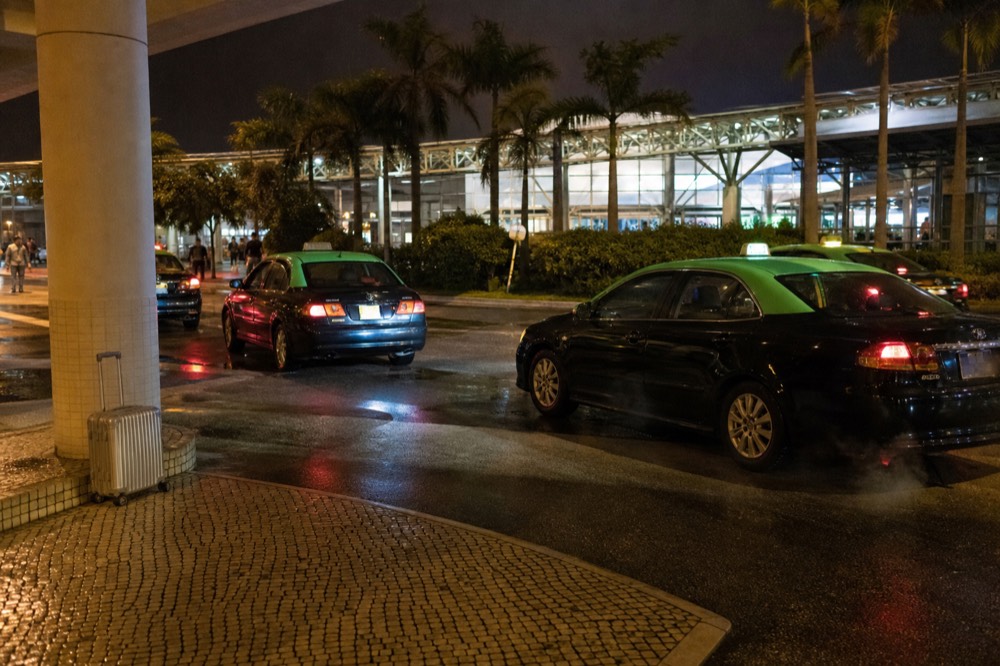
The losses come from three places: the at-par spread of about 3 percent on every cash purchase, rounding on small transactions, and fixed surcharges that are charged in patacas regardless of what currency you hand over. A taxi from the ferry terminal carries an MOP 8 port surcharge plus MOP 3 per bag in the boot, on top of a flagfall of MOP 21. None of that cares which notes you pay with.
Start with the spread, because it is the invisible one. Every time you pay HKD at par for something priced in MOP, you give up the 3 percent difference between the official rate and the rate you were given. On a day of small spending, a coffee, a snack, a bus fare if you pay cash, this might total a handful of patacas. Across a full day of tourist spending it can reach the price of a meal. It is not a scam; it is the cost of convenience, and it is the reason seasoned visitors withdraw patacas from an ATM on arrival rather than spending down their Hong Kong wallet.
Then there are the fixed charges that hit you regardless of currency. The taxi tariff published by Macau's transport department sets a flagfall of MOP 21 for the first 1,600 metres, MOP 2 for each subsequent 220 metres, MOP 2 per 55 seconds of waiting, and, the two that surprise arriving visitors, MOP 3 per piece of luggage carried in the boot and an MOP 8 surcharge for journeys beginning at the airport, the ferry terminals or the bridge port, per the official DSAT fare schedule. Hand the driver Hong Kong dollars and he will take them, but the meter, the luggage charge and the surcharge are all pataca figures, and the at-par exchange quietly trims your side of the deal again.
Dinner works the same way. Restaurants in Cotai's resorts quote menus in patacas, add Macau's 5 percent tourism tax on hotel-supplied goods and services, and settle the bill however you like. A card charged in MOP converts at the real rate; cash in HKD converts at par. The gap on a MOP 800 dinner for two is roughly MOP 24, small enough that some travellers will happily pay it for the simplicity of not carrying two currencies. That is a legitimate choice. The point of this article is that it should be a choice, not an accident.
How Does Currency Work When You Pay For A Show Ticket?
The House of Dancing Water prices every ticket in Macanese patacas, and the official ticket terms state it plainly: all prices are in MOP. Gallery starts at MOP 698, Signature at MOP 898 and Grand at MOP 1,098, before any early-bird discount. If you book through the live listing rather than at the box office, the price is converted and shown in your own currency before you pay, which sidesteps the at-par problem entirely.
This is the one purchase on a Macau itinerary where the currency question has a genuinely clean answer. The official price list is denominated in patacas, so a cash buyer paying with Hong Kong dollars at the box office absorbs the 3 percent spread on the largest single purchase of the trip. A Golden Circle ticket at MOP 1,598 paid in HKD at par costs you about MOP 48 in quiet value, more than the themed drink the tier includes. A Premium ticket at MOP 1,298 loses a proportionally similar slice. Booking online through the operator's live listing converts the price transparently at the card network's rate, which is consistently better than par, and you see the final figure before you commit.
The tier structure is worth a glance while you are thinking about money, because the price ladder is steep and the differences between adjacent tiers are not always about the view alone:
| Ticket tier | Official price (MOP) | What the venue says you get |
|---|---|---|
| Gallery | 698 | Entry tier, full theatre view |
| Signature | 898 | Second tier seating |
| Grand | 1,098 | Third tier seating |
| Premium | 1,298 | Central seating the venue calls prime, double seats available |
| Golden Circle | 1,598 | One themed drink plus free flow of selected food and beverages |
Four of those tiers, Gallery, Signature, Grand and Premium, also come in splash versions, rows A and B of each section, where waterproof gear and towels are provided on the seats because the front two rows of every section do get wet. Only Golden Circle has no splash option, and each splash seat carries the same box office face value as its dry equivalent in the same zone. The choice is the classic souvenir question: some visitors consider getting drenched part of the show, others consider it a reason to sit further back. If you are weighing that trade-off, the seating plan guide breaks down each section in detail, and the show times guide covers the schedule patterns you need to match a ticket to.
The venue also runs an early-bird offer worth knowing about if you are the planning type: book 14 days ahead and designated tiers start from MOP 558 against the MOP 698 Gallery price, a 20 percent saving that dwarfs anything the currency spread could cost you. It applies to the lower tiers and runs well into 2027, but promotional pricing changes, so treat the figure as current rather than permanent. The full details of what the show includes, the 17 million litre pool, the 90-minute running time with no intermission, sit in the how long is the show guide.
Should You Withdraw Patacas Or Just Pay By Card?
For most visitors the efficient play is a hybrid: pay by card wherever it is accepted, keep a modest amount of patacas from an ATM for taxis, small food stalls and market stalls, and spend your remaining Hong Kong dollars on small purchases where the 3 percent loss is trivial. Do not finish the trip holding patacas, because Hong Kong will not take them back.
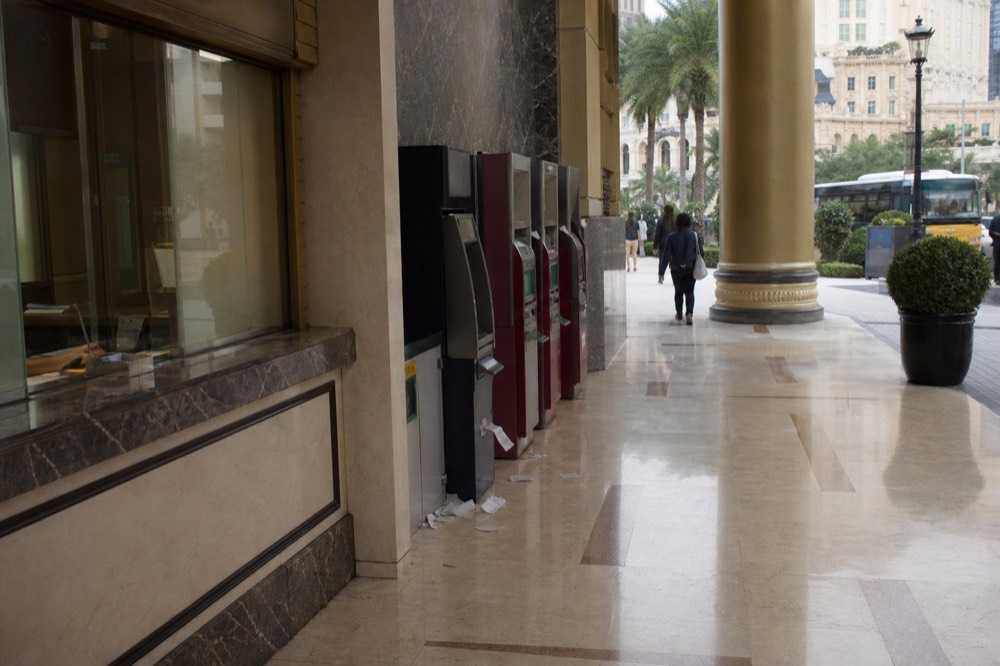
The card-first strategy works because Macau's resorts, restaurants and larger shops handle card payments routinely, and a card charged in MOP converts at the network rate, which reflects the real 1.03 relationship instead of pretending the currencies are equal. The friction points are the cash corners of the economy: taxis prefer cash, some smaller eateries away from the resorts do, and market stalls certainly do. That is where a pataca withdrawal earns its fee. Withdraw what you will realistically spend in a day or two, because the leftover-pataca problem is real and one-directional.
The bus network is a good example of why a little local setup pays. Fares are MOP 6 in cash on regular routes but MOP 3 with a stored-value card, per the transport department's published fare structure, so a card-carrying visitor pays half of what a cash-payer does, in either currency. A group of four doing a few bus rides saves enough for a meal. The same logic applies to the show: the biggest purchases of the trip are the ones where the payment method matters most, which is why booking the ticket online rather than at the box office is the single largest currency saving available to you.
For everything else, the practical hierarchy is simple. Card where accepted, patacas where cash is needed, Hong Kong dollars as a convenience layer for small spends you would rather not break a note for. Visitors crossing for a single evening, say on one of the ferry routes from Hong Kong, can realistically do the whole trip on a card plus a few HKD notes and lose only a couple of dollars total to the spread. Visitors staying several days and spending across the cash economy will notice the difference more, and the ATM-on-arrival habit is worth the few minutes it takes.
What About Coins, Casinos And The Edges Of The System?
Casinos are the exception to almost everything: they handle both currencies fluidly and will pay winnings in whichever you prefer, though table minimums are quoted in Hong Kong dollars at most gaming floors. Coins are the other edge case: Hong Kong coins are often refused where notes are accepted, because the at-par convention works on trust and counting unfamiliar coins is where trust runs out. Keep coins to a minimum and you avoid the awkward moment.
The casino point surprises people who assumed the whole territory runs on one rule. Gaming floors in Macau traditionally quote and settle in Hong Kong dollars, a legacy of the territory's gambling history and the fact that most of the bankroll crossing the border is HKD. This does not help you at the theatre box office or the bakery, but it does mean a visitor with Hong Kong cash and a casino plan loses nothing on that particular transaction. The theatre, the restaurants and the shops all sit on the pataca side of the line, and the City of Dreams guide covers how the resort itself is laid out for a show evening.
Coins deserve one paragraph because they generate the most confused moments at tills. The at-par acceptance described earlier is a shop-level courtesy, and it extends most reliably to notes. A handful of Hong Kong coins at a newsstand produces a longer pause than the same value in notes, and some cashiers simply decline. The reverse is worse: pataca coins are near-worthless outside Macau and heavy in your pocket, so spend them down on your last day rather than flying home with a souvenir you did not want.
A final note on the show specifically. The official ticket terms are unambiguous that all prices are in MOP, and the venue's own offers, from the ferry-inclusive packages to the dining add-ons, are all quoted in patacas too. When you book through the live listing, the currency conversion happens before payment, transparently, and the price you approve is the price you are charged. That is the cleanest way to buy the largest ticket of your trip, and it leaves your Hong Kong cash for the small spends where losing 3 percent costs almost nothing. For the full picture on what the show itself delivers, the is it worth it review walks through the production in detail.
Yes, Hong Kong dollars are accepted almost everywhere visitors spend in Macau, at or near par, with change returned in patacas. The pataca remains the only legal currency, and the official rate is HKD 1 to MOP 1.03, so each at-par purchase quietly costs about 3 percent in value. The questions below cover change, coins, casinos, taxis and how the rule plays out when you buy a show ticket.
Common Questions About Using Hong Kong Dollars In Macau
Can I Use Hong Kong Dollars In Macau?
Yes, widely. Shops, restaurants and taxis in the tourist zones accept Hong Kong dollars routinely at or near par, though the pataca is the only legal currency and your change will come back in patacas. Because the official rate is HKD 1 to MOP 1.03, every at-par purchase costs you roughly 3 percent in value.
Do I Get Change In Hong Kong Dollars Or Patacas?
Almost always patacas. The convention is that a shop accepts your HKD at par but returns change in the local currency, which is one reason not to pay with a large HKD note for a small purchase: you will leave holding patacas you cannot spend back in Hong Kong.
Will Hong Kong Accept Patacas When I Go Home?
No. Patacas are generally not accepted in Hong Kong, so spend them down before you leave Macau or exchange the remainder at a money changer. The convertibility guarantee runs one way for practical purposes.
Is It Better To Pay By Card Or Cash In Macau?
Card, wherever it is accepted. A card charged in patacas converts at the real rate instead of the at-par convention, and it avoids the leftover-currency problem entirely. Keep a modest amount of patacas in cash for taxis and small stalls.
Are Show Tickets Priced In Hong Kong Dollars Or Patacas?
Patacas. The official ticket terms state that all prices are in MOP, from MOP 698 in Gallery to MOP 1,598 for Golden Circle. Booking through the live listing shows the converted price in your own currency before you pay, which avoids the at-par loss on the biggest purchase of the trip.
Do Macau Taxis Take Hong Kong Dollars?
Yes, in practice, but the meter, the MOP 3 per bag luggage charge and the MOP 8 port surcharge are all pataca figures, and paying in HKD at par adds the usual 3 percent gap on top. A card or patacas is the cleaner way to settle a taxi fare.